Entry · Ref N0WM1MGL
The Pros and Cons of Interior Basement Waterproofing Systems
- Posted
- 2026-10-20
- Last amended
- 2026-10-20
- Account
- @elliotysai383
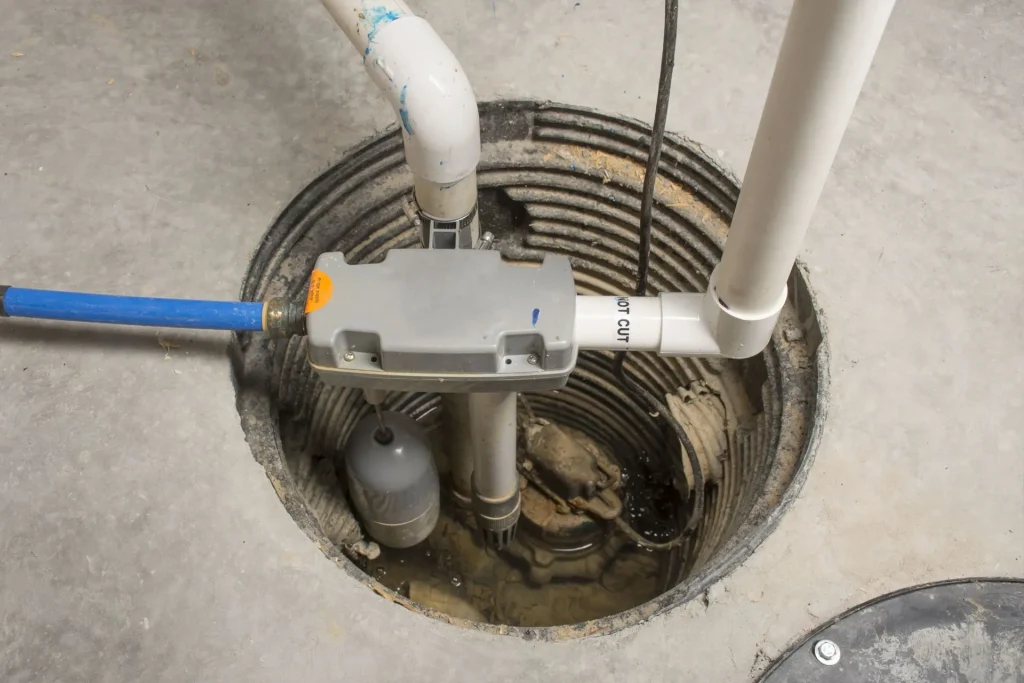

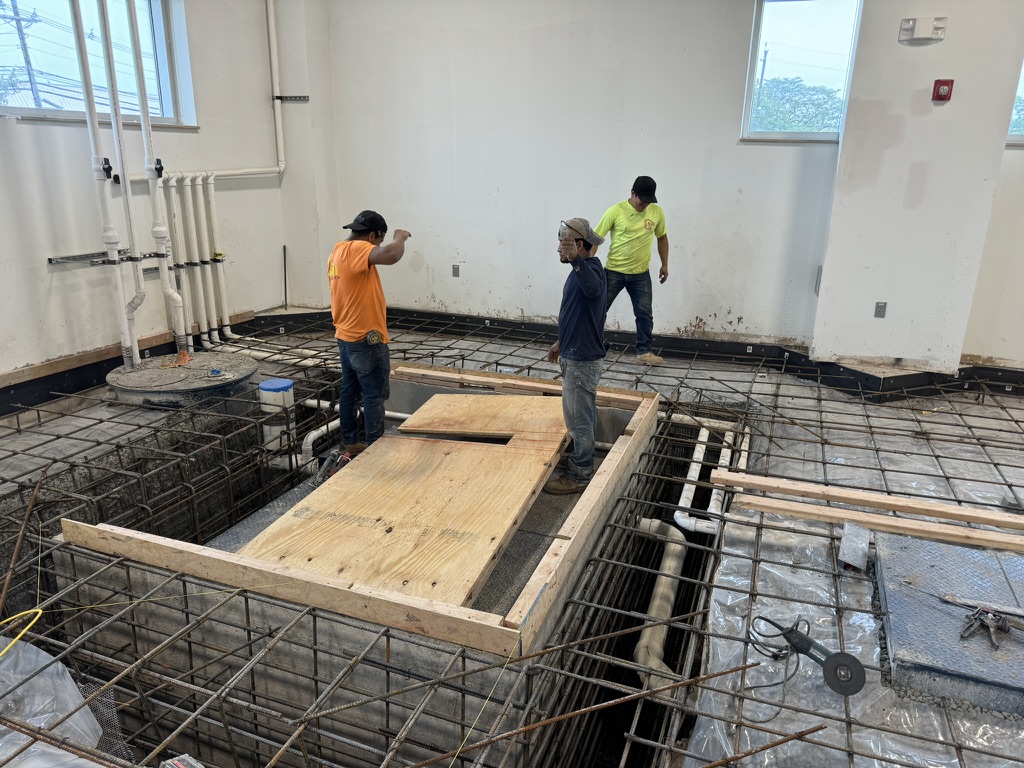
A wet basement rarely announces itself all at once. More often, it starts with a faint musty smell after a storm, a damp cardboard box in the corner, or a chalky white residue creeping up a masonry wall. Homeowners usually notice the symptom first and the cause much later. By then, the question is not just how to dry the space out, but which type of Basement Waterproofing actually makes sense for the house, the budget, and the long term plan for the property.
Interior basement waterproofing systems sit at the center of that decision. They are common, widely marketed, and often effective when installed for the right reasons. They are also misunderstood. Many people hear the word waterproofing and assume the system stops water from entering the foundation. Most interior systems do not do that. They manage water after it reaches the inside face of the wall or the base of the foundation, then direct it safely to a sump pump and away from the house.
That distinction matters. If you understand what an interior system is designed to do, its strengths make sense. If you expect it to solve every moisture issue by itself, disappointment usually follows.
What interior basement waterproofing systems actually are
An interior system generally includes a drainage channel installed along the perimeter of the basement floor, usually at the footing level, a sump basin, and a pump that discharges collected water outside. In many installations, contractors also add a vapor barrier or drainage membrane to the inside of the foundation wall. The membrane does not stop water in the wall itself. It creates a controlled path so seepage runs downward into the drain instead of spilling onto the basement floor.
In older homes with block foundations, this setup can be especially helpful. Concrete block walls often allow water to move through hollow cores and mortar joints. You might not see a dramatic stream of water, but the wall can stay persistently damp. An interior drainage system gives that moisture somewhere to go.
In poured concrete basements, the pressure issue is often hydrostatic. After heavy rain or snowmelt, water in the soil pushes against the foundation. If it cannot relieve pressure outside, it finds the easiest path, typically where the wall meets the slab, through shrinkage cracks, or around penetrations. Interior systems do not remove exterior pressure directly, but they can capture the water that arrives at those weak points before it spreads across the basement.
Why homeowners often choose the interior route
In practical terms, interior systems are popular because they are less disruptive than exterior excavation. Digging down to the footing outside can mean removing landscaping, patios, walkways, decks, and sometimes sections of driveway. On tightly spaced lots or homes built close to neighboring properties, exterior access may be limited or almost impossible.
Interior work is usually faster. A trained crew can often install a perimeter drainage system in a few days, depending on the size of the basement and the condition of the slab. For homeowners living in the house during the project, that shorter timeline has real value.
Cost also drives the decision. While prices vary by region and scope, interior waterproofing often comes in significantly lower than full exterior excavation and membrane work. When a basement is taking on water every spring and the budget is finite, people tend to choose the system that addresses the immediate problem without turning the yard into a construction site.
That does not make it a shortcut by definition. In many houses, it is the most sensible method. The key is understanding where it shines and where it falls short.
The strongest advantages of interior systems
The biggest benefit is water control. A properly installed interior drainage system is very good at collecting seepage at the perimeter and moving it to a sump pit. For many basements, that is enough to transform the space from damp and unreliable to dry and usable.
I have seen basements where water appeared after nearly every substantial rain. The homeowners assumed the entire foundation was failing. In reality, the main issue was that groundwater had no easy relief point and kept surfacing at the cold joint where the wall met the floor. Once a perimeter channel and sump system were installed, the visible water problem stopped. The walls were still below grade and still exposed to moisture from outside, but the basement floor stayed dry.
Interior systems also handle hidden seepage better than many spot repairs. Homeowners often begin with crack injection or a patching compound on an isolated leak. That can work well when the problem truly is isolated. But when water is entering at several points, patching one crack often leads to another damp spot six feet away a month later. A perimeter system treats the entire interior edge of the basement, which gives it broader protection against unpredictable seepage patterns.
Another advantage is serviceability. If a sump pump fails, it can be replaced. If a discharge line freezes, it can be corrected. If the drain tile needs inspection, the system is at least partly accessible from inside. Exterior systems are harder to monitor once backfilled. When they clog or fail, diagnosing the issue is more involved and more expensive.
Interior drainage can also pair well with basement finishing plans, but only when designed carefully. If a homeowner wants to turn a basement into a family room, office, or guest suite, controlling bulk water first is essential. No amount of drywall or luxury vinyl plank will survive an active water problem for long. Interior waterproofing provides a base layer of protection that makes later improvements more realistic.
There is also a climate reality to consider. In regions with freeze thaw cycles, expansive clay soils, or high seasonal groundwater, some amount of subsurface moisture movement is simply normal. Trying to create a completely dry exterior environment around every older foundation is not always realistic. Interior systems acknowledge that reality and manage the water efficiently.
Where interior waterproofing has clear limitations
The most important drawback is conceptual. Interior systems usually do not stop water from reaching the foundation wall. They control it after entry or after it reaches the interior drainage plane. That means the exterior side of the wall can remain wet, sometimes for long periods.
Why does that matter? Over time, chronic moisture exposure can contribute to masonry deterioration, efflorescence, mortar decay, and, in some cases, structural concerns if the wall is already compromised. An interior system may keep the basement floor dry while the outside conditions that created the problem continue unchecked.
This is why interior waterproofing should never be sold as a cure for structural movement. If the foundation wall is bowing, rotating, shearing, or showing significant settlement cracks, water management alone is not enough. The structure needs to be evaluated and, if necessary, stabilized. I have seen homeowners spend thousands on drainage only to learn later that their real issue was lateral soil pressure on a block wall. The basement got drier, but the wall kept moving.
Interior systems also do little for moisture entering above grade. If rain is blowing through a failing window well, if siding details are directing water behind the rim joist, or if surface grading pitches toward the house, an interior drain will not solve the root cause. It may catch some of the water eventually, but not before finishes, insulation, or framing are exposed.
Humidity is another blind spot. A basement can be technically free of liquid water and still feel damp because of elevated relative humidity. Interior waterproofing is not a replacement for dehumidification, air sealing, or insulation improvements. Homeowners sometimes expect the musty smell to disappear immediately after installation. Sometimes it does improve, but when the odor is tied to damp stored items, mold on organic materials, or humid air condensing on cool surfaces, the system addresses only part of the problem.
There is also the issue of dependence on equipment. Most interior systems rely on a sump https://cashbaxr132.lowescouponn.com/basement-waterproofing-and-foundation-repair-what-s-the-difference pump. Pumps fail. Power goes out. Floats stick. Discharge lines clog or freeze. A good installation reduces those risks with proper sizing, a check valve, an alarm, and often a battery backup, but the risk never goes to zero. If the system only works when the pump works, maintenance becomes part of ownership.
The installation quality question
Two interior systems can look similar on paper and perform very differently in the field. Installation details matter.
The width and cleanliness of the trench, the type of drain used, the way the wall membrane is terminated, the depth of the sump basin, and the route of the discharge line all affect performance. So does the condition of the slab when it is patched back. A rough patch is not just cosmetic. If it cracks prematurely or leaves gaps, moisture can escape in places the system was meant to control.
One recurring issue is incomplete perimeter coverage. Contractors sometimes omit sections behind utilities, under stairs, or near finished walls because access is difficult. Those skipped areas can become the exact spots where water later emerges. Another common problem is a discharge line that dumps too close to the foundation. In that case, the pump simply recirculates the same water back into the soil next to the house.
A well installed system should also account for cleanout and service. Not every residential interior drain has elaborate access points, but the design should at least reflect a plan for longevity rather than just a quick sale.
Cases where interior systems are often the right answer
There are situations where I would strongly favor an interior approach.
If the home has repeated seepage at the cove joint, especially during wet seasons, and the exterior access is difficult or heavily obstructed, interior drainage is often the practical solution. The same applies when the house sits in a neighborhood with consistently high groundwater and many basements on the block have sump systems already.
Older homes with finished landscaping, mature trees, masonry walks, or attached porches also tend to be good candidates, because exterior excavation can become disproportionately expensive and disruptive. In those settings, controlling water from inside may deliver the best balance of performance and cost.
Interior systems also make sense when the water issue is broad but not severe enough to justify reconstructing exterior conditions. If the basement sees occasional perimeter seepage, not major wall penetration or structural distress, a drain and pump setup can be an efficient answer.
Cases where interior-only is probably not enough
Some basements need a broader plan.
If there is visible structural movement, the first conversation should be about engineering or foundation repair, not just drainage. If the problem is surface water from bad grading, missing gutters, or short downspouts, those exterior corrections should happen first or at the same time. Spending money on an interior system while roof runoff pours at the base of the foundation is like installing a stronger bilge pump in a boat with a hole above the waterline.
Homes with severe wall deterioration may also need exterior intervention. If masonry is spalling, mortar joints are failing, or an exterior waterproofing membrane has completely broken down, interior drainage might manage symptoms while decay continues. In that case, excavation and exterior repair can be the more responsible long term move.
The same goes for homeowners planning a high end finished basement. If you are about to invest heavily in custom millwork, built ins, specialty flooring, and closed wall cavities, there is a stronger argument for addressing both exterior and interior moisture risks comprehensively rather than relying on drainage alone.
The hidden role of exterior water management
One reason interior systems sometimes get criticized unfairly is that they are installed in houses that still have obvious exterior drainage problems. Then, when minor dampness or humidity remains, the entire waterproofing strategy gets blamed.
A basement stays drier when the exterior load is reduced. That means clean gutters, downspouts that discharge well away from the foundation, window wells that drain properly, grading that slopes away from the house, and reasonable control of roof and surface runoff. These are not glamorous upgrades, but they often determine whether an interior system performs smoothly or works overtime.
For many homes, the best results come from combining modest exterior corrections with interior drainage. Not every situation requires excavation to the footing. Sometimes extending downspouts, adjusting grade, replacing a failed window well drain, and adding an interior perimeter system together solve the problem at a sensible cost.
What homeowners should ask before signing a contract
A waterproofing proposal should answer practical questions, not hide behind broad promises. Before approving interior work, a homeowner should understand the diagnosis, the path water is taking, and what the system can realistically accomplish.
Ask where the water is believed to be entering. Ask whether the issue is hydrostatic pressure, wall seepage, surface runoff, or a combination. Ask whether any structural concerns were observed. Ask how the pump will be sized, where the discharge will terminate, and what backup protection is recommended.
Most important, ask what the system does not solve. A trustworthy contractor can explain the limitations without weakening the value of the work. In fact, that honesty is usually a sign the company understands basements rather than just sales language.
Here are five questions worth putting on the table during estimates:
- Is the problem primarily groundwater, surface water, humidity, or structural cracking?
- Will the proposed system cover the full perimeter, including difficult areas?
- Where will the sump discharge, and how far from the house will water be carried?
- What backup plan protects the basement during power outages or pump failure?
- What exterior corrections should be made alongside the interior installation?
Those questions tend to separate a thoughtful design from a generic package.
Cost, value, and the long view
Interior Basement Waterproofing is not cheap, but it can be cost effective. A moderate perimeter system with sump installation often costs far less than full exterior excavation and replacement of hardscape. Yet the better way to think about value is not just installation price. It is avoided damage, preserved usability, and reduced uncertainty.
Water in a basement affects more than the floor. It threatens stored belongings, framing, insulation, flooring adhesives, and indoor air quality. Even small recurring seepage can limit resale appeal because buyers notice stains, odors, and the presence or absence of a coherent water management strategy.
That said, the cheapest proposal is rarely the best value. A lower bid may exclude a wall membrane, use a smaller sump basin, skip backup power, or send the discharge to an inadequate location. Those details become expensive later. When comparing proposals, look beyond square footage price and pay attention to system design, warranty clarity, and service support.
Living with an interior waterproofing system
Once installed, the work is not entirely finished. Homeowners should test the pump periodically, especially before wet seasons. Battery backups need maintenance and eventual replacement. Discharge lines should be checked for obstructions and winter freeze risk. Dehumidification may still be necessary in summer, particularly in humid climates.
A basement with an interior system is best thought of as a managed space, not a naturally dry cave. That is not a flaw. It is simply a realistic understanding of how below grade structures behave. Houses move, soils get saturated, storms intensify, and drainage conditions change over time.
I have seen homeowners become frustrated because they expected a once and for all magic fix. I have also seen homeowners gain years of reliable use from a basement after interior waterproofing, because they understood what the system was meant to do and maintained it accordingly.
The real trade-off
The real decision is not whether interior systems are good or bad. It is whether they match the problem in front of you.
If the goal is to control recurring seepage with minimal exterior disruption, interior basement waterproofing systems can be highly effective. If the goal is to keep every inch of the foundation wall dry from the outside in, they are not the full answer. If the basement has structural distress, they are only one piece of a larger repair picture. If the issue is mostly humidity or poor grading, they may be secondary or even unnecessary.
That is why a careful diagnosis matters more than the label on the service. Waterproofing is one of those trades where the same house can be oversold, undersold, or properly served depending on who evaluates it. The best outcomes usually come from contractors who are willing to say, plainly, what the system can do, what it cannot do, and what supporting work will make it perform at its best.
For many homeowners, interior waterproofing is not a compromise at all. It is the practical, proven solution that fits the house. For others, it is a useful component inside a bigger plan. The difference lies in matching the method to the moisture, rather than forcing the moisture to fit the method.
ARD Waterproofing
98 Smull Ave, West Caldwell, NJ 07006, United States
+1 917-691-8411
FAQ About Basement Waterproofing
Can you 100% Waterproof a Basement in West Caldwell?
A properly designed system can substantially reduce basement water intrusion, but no method can promise protection against every flood, equipment failure, or future change in site conditions. The first step is identifying whether moisture comes from surface runoff, groundwater, plumbing, or condensation. Solutions may include grading and gutter improvements, drainage, foundation repairs, and a sump system. Review the specific coverage and exclusions of any written warranty.
How much does it cost to professionally waterproof a basement in NJ?
There is no single price that fits every basement. Cost depends on the cause of the leak, the area needing work, access, excavation requirements, drainage design, sump equipment, and restoration of disturbed finishes or landscaping. Request an on-site assessment and an itemized written estimate that explains the scope, exclusions, and maintenance requirements before comparing proposals.
How long does foundation waterproofing last in West Caldwell, NJ?
Service life varies with the waterproofing materials, installation quality, soil and water conditions, and maintenance. Drainage components and pumps may require servicing or replacement even when other parts of the system remain functional. Keep gutters, drainage outlets, and sump equipment maintained, and have recurring leaks or changes in foundation condition assessed. Ask for product-specific expectations and written warranty terms rather than relying on one lifespan for the entire system.